


Этот материал пока не переведён на ваш язык и показан на английском.
Staining cells
Questions related to staining of live and fixed cells with Lumiprobe ready-to-use kits and dyes
- Are CytoTracer® dyes applicable to plant cell staining?Yes, CytoTracer® dyes can be used for staining plant cells. However, successful labeling depends on several factors.
- Can I use Lumiprobe's dyes for two-photon microscopy? What excitation and emission wavelengths do they have?Yes, you can. Most of Lumiprobe's dyes are suitable for two-photon microscopy. Here, we have compiled the spectral properties of our dyes relevant to two-photon microscopy.
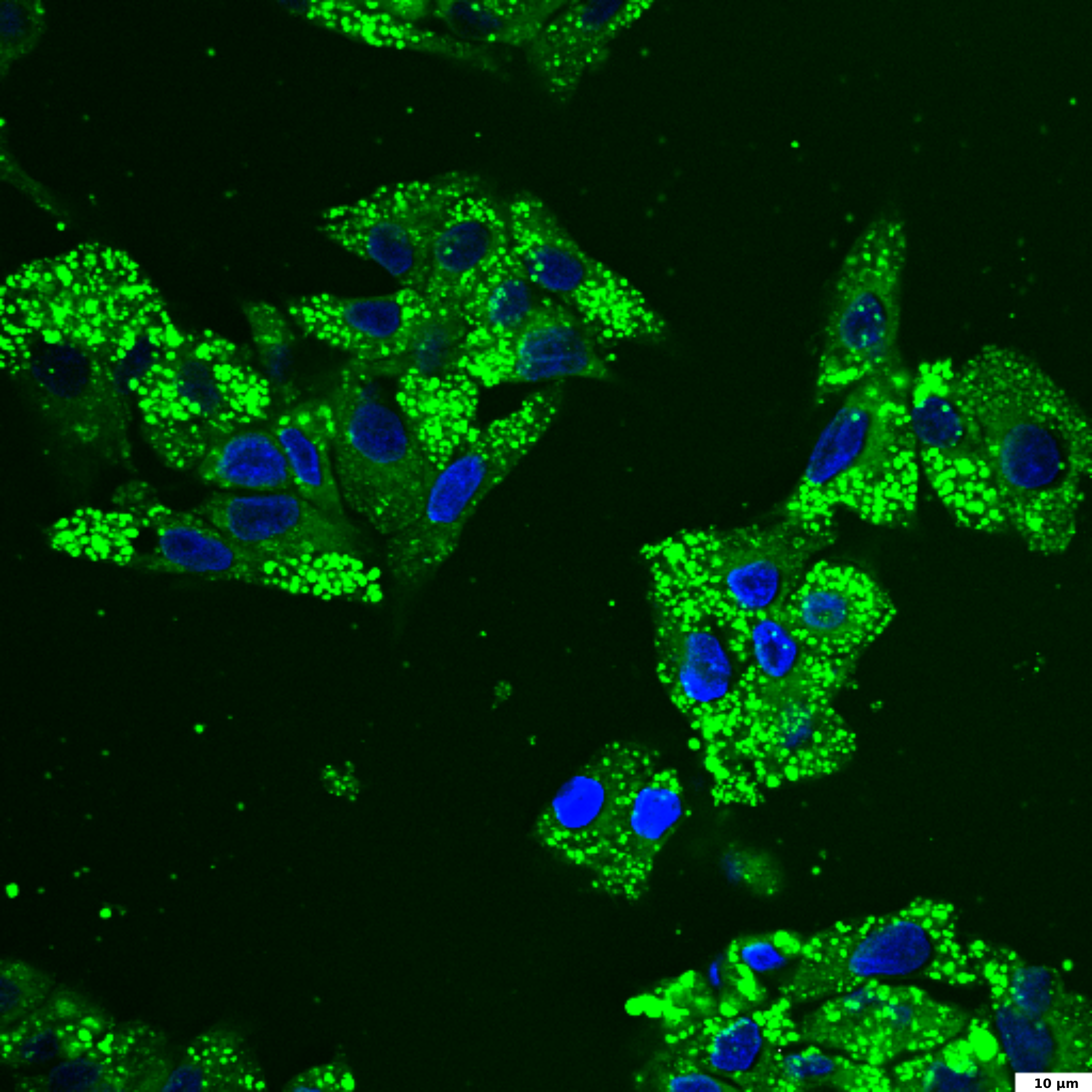 Staining lipid droplets with BDP® 493/503 lipid stainGeneral recommendations for staining of lipid droplets with BDP493/503 using HepG2 culture as a model
- Staining of cells with Fe(II)-selective fluorescent probe HMRhoNox-MAn experience of using HMRhoNox-M to detect Fe(II) in live cells
- Can exosomes be stained with PKH26?Yes. It can be. Here, we describe how to stain exosomes with PKH26 dye
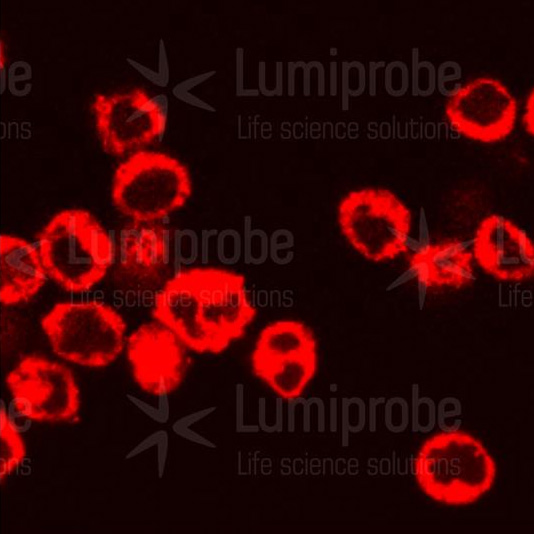 Can I stain proteins in fixed cells with ProteOrange dye?Short description of Protein staining experience with ProteOrange dye from Lumiprobe.
- Can LUCS® 13 be used to stain chromosomes in living cells?Yes, it can. Here is the step-by-step protocol we used to stain chromosomes with LUCS® 13.
- Staining cells with Lumiprobe's DAPI dyeOptimal DAPI concentration and incubation time for fixed cell staining.
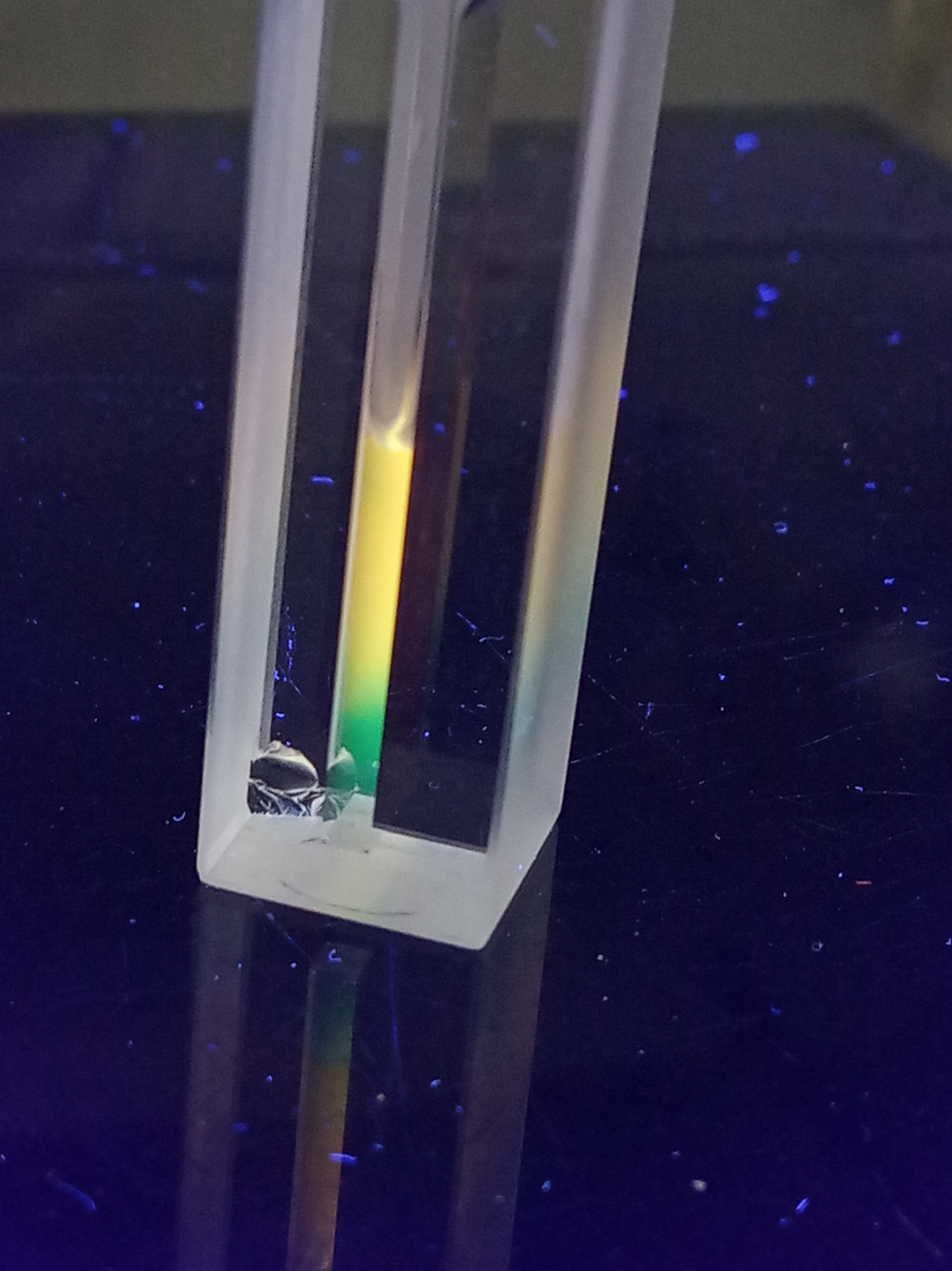 BDP® 581/591 dye for detection and monitoring of cellular oxidative stressBDP 581/591 dye for detection of reactive oxygen species (ROS) in cultured mammalian cells by flow cytometry